Summary
- With appropriate upkeep, conventional concrete resurfacing typically lasts 8-15 years
- High-quality materials used in premium resurfacing options can increase lifespan to 15-25 years
- The most crucial factor in determining the longevity of your resurfaced concrete is the quality of surface preparation
- Sealing every 2-3 years can significantly lengthen the life of your concrete resurfacing
- Climate conditions, traffic volume, and the quality of the original substrate all play significant roles in determining durability.
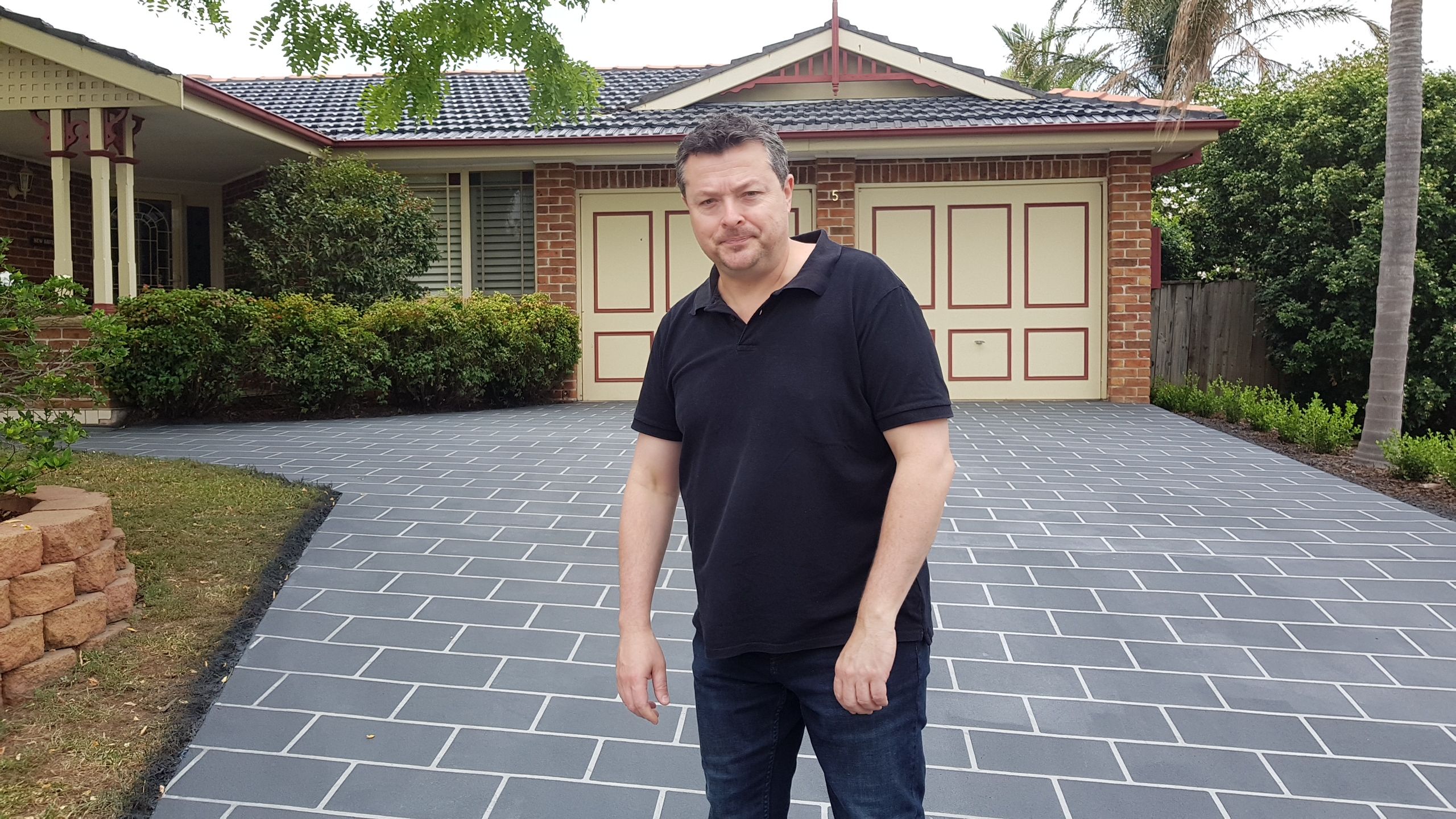
Concrete resurfacing provides a pleasing compromise between continuous repairs and total replacement, but how long can you expect the new surface to last? The life expectancy of resurfaced concrete is usually 8 to 15 years, though with premium materials and proper maintenance, it can be extended to 25 years or more. Wizcrete Concrete Resurfacing has been assisting homeowners in extending the life of their concrete surfaces through high-quality resurfacing for over twenty years, and we have seen firsthand how outcomes can differ significantly.
Let’s face it—your driveway, patio, or walkway withstands a lot of wear and tear over the years. From severe weather to heavy traffic, these surfaces take quite a beating. Knowing the realistic lifespan of concrete resurfacing can help you make smart decisions about this major home improvement investment.
How Long Will Concrete Resurfacing Last: A Guide for Homeowners
If you’re thinking about resurfacing your concrete, it’s important to know that not all resurfacing jobs are created equal. The lifespan of your resurfaced concrete can depend on several factors, including the quality of the materials used, the skill of the installer, your local weather conditions, how well you maintain it, and the condition of the original concrete. In fact, many homeowners are surprised to find out that the condition of the underlying concrete is often the most important factor in determining how long the new surface will last.
Typical Lifespan: 8-15 Years for Regular Resurfacing
Regular concrete resurfacing usually lasts between 8 and 15 years before needing major attention again. These traditional overlays, often made of polymer-modified cement mixes, offer a sturdy solution for moderately damaged surfaces. The broad range in expected lifespan shows how significantly maintenance and environmental factors affect durability. In gentler climates with careful maintenance, regular resurfacing often performs at the higher end of this range.
High-End Choices Can Last 15-25 Years with Appropriate Maintenance
High-end resurfacing systems that use cutting-edge resins, specialized aggregates, and superior bonding agents can considerably increase durability. These high-quality systems typically last 15-25 years when installed and maintained correctly. Although the initial cost is greater, the longer lifespan and lower maintenance requirements can make high-end choices more economical over time. These systems are particularly effective in high-traffic areas or areas with severe weather conditions where standard systems might break down faster.
What Influences the Longevity of Concrete Resurfacing?
Many factors can affect how long your concrete resurfacing will last. By understanding these factors, you can make better decisions about what materials to use, how to install them, and how to maintain them to get the most out of your investment. The condition of the original surface, how well the surface is prepared, the quality of the materials used, the skill of the installer, the weather conditions, and how well it is maintained all play a big part in how long it will last.
- Original substrate condition and stability
- Surface preparation quality and thoroughness
- Material quality and appropriateness for specific conditions
- Professional installation techniques
- Local climate and weather patterns
- Maintenance frequency and quality
- Traffic volume and type of use
Different Concrete Resurfacing Types and Their Expected Lifespans
Not all concrete resurfacing systems are created equal. Each type offers distinct advantages, aesthetic options, and durability profiles. Understanding the differences helps you select the option that best balances your budget constraints with your longevity expectations. The thickness of the application, binding agents used, and aggregate components all influence how long the surface will maintain its appearance and structural integrity.
Typically, the most affordable option is basic cement-based overlays, which typically last 5-10 years depending on conditions and maintenance. These thin applications (usually 2-3mm) provide a refreshed appearance but offer limited protection against severe damage or extreme conditions. They’re best suited for interior spaces or covered exterior areas with
Polymer-Modified Overlays (10-15 years)
- Superior flexibility minimizes cracking in freeze-thaw cycles
- Increased adhesion to the existing substrate
- Improved resistance to chemical exposure and staining
- Enhanced compressive strength for superior durability
- Offered in a variety of decorative finish options
Polymer-modified overlays are the most popular choice for residential applications, providing a compromise between cost and lifespan. These systems utilize specialized polymers that increase flexibility, adhesion, and durability compared to traditional cement mixes. The polymer component greatly enhances resistance to moisture penetration and minimizes susceptibility to freeze-thaw damage, making them particularly appropriate for regions with seasonal temperature changes.
Top-of-the-Line Resin-Bound Systems (15-25 years)
Top-of-the-line resin-bound systems are the best of the best when it comes to concrete resurfacing options. They’re incredibly durable and can last for over two decades if they’re installed and maintained correctly. These advanced systems use high-quality epoxy or polyurethane resins and specially chosen aggregates to create surfaces that are incredibly strong, flexible, and resistant to weather. The molecular bonds between the components make a barrier that’s almost completely impervious to moisture, chemicals, and physical wear. Learn more about the benefits of permeable concrete and its community impact.
Though they cost 30-50% more than standard polymer-modified overlays, premium systems are a great choice because they last a lot longer and don’t need as much maintenance. Many companies offer warranties that last 10-15 years for these products. If you’re working on a commercial area that gets a lot of traffic or a residential driveway that needs to support heavy vehicles, the investment will be worth it in the long run.
5 Key Factors That Influence The Lifespan Of Your Concrete Resurfacing
Manufacturer guidelines give a ballpark lifespan estimate, but how long your concrete resurfacing actually lasts depends on a lot of variables that are unique to your particular situation. Knowing what these factors are can help you make better decisions about what materials to use and how to maintain them in order to maximize durability. It also explains why the same resurfacing system can perform differently in different situations.
1. Quality of Initial Surface Preparation
The most important factor in how long concrete resurfacing will last is not the overlay material, but the quality of the surface preparation. Even the best materials will fail early if they are applied to a surface that has not been properly prepared. Professional preparation includes diamond grinding, shot blasting, or pressure washing to remove contaminants and create a profile that allows for proper mechanical bonding. If there are any shortcuts taken during this stage, it almost guarantees that the material will fail early, no matter how good the material is.
It’s crucial to adequately prepare the area before resurfacing, which includes addressing any underlying cracks, spalling, and structural issues. Resurfacing can cover up minor imperfections, but it won’t fix any structural problems. If any foundational issues are left unaddressed, they will inevitably show up on the new surface, sometimes within just a few months.
2. The Importance of Material Quality and Brand
All resurfacing products are not created equal, even if they are in the same category. The leading manufacturers put a lot of money into research and development to create their own special formulas that are more durable. These top-of-the-line products often include advanced polymers, specialized aggregates, and sophisticated curing technologies that extend the life of the product. While cheaper options may look the same at first, the differences in performance usually become clear within 2-3 years.
Choosing a well-established brand for your resurfacing materials is a good idea. These companies have years of data to back up their claims about how their products will perform under various conditions. They also usually offer excellent technical support and easy-to-follow application instructions to help you get the best possible results.
3. Professional Installation Versus Do-It-Yourself
Although do-it-yourself concrete resurfacing kits are easy to find, the lifespan of your concrete resurfacing can be greatly improved by hiring a professional to do the job. Professionals have the knowledge and experience to handle the materials properly, mix them in the correct proportions, consider the temperature, and apply the materials in a way that will make them last as long as possible. In addition, they have specialized equipment for preparing the surface and applying the materials that will yield a better result than the rental tools that are typically used for do-it-yourself projects.
Experts in installation can properly evaluate the conditions of the substrate and suggest the right materials and methods of application for your particular needs. Their expertise allows them to spot and deal with potential issues before they affect the final outcome. For most homeowners, the extra expense of having a professional do the installation is worth it due to the longer lifespan and better aesthetics.
4. The Impact of Climate and Weather
The climate where you live can have a significant impact on how well your concrete resurfacing holds up. The most difficult condition for concrete resurfacing is the freeze-thaw cycle. This is when moisture gets into the concrete and then freezes, causing internal pressure that can damage the surface. If you live in a region where this is common, it’s important to choose materials that are specifically designed to resist freeze-thaw cycles in order to get the longest life out of your concrete resurfacing.
Another major issue is UV exposure, especially for colored or decorative surfaces. Top-quality sealers with UV inhibitors can help guard against color fading and surface degradation from sun exposure. In hot, sunny climates, it is even more important to reseal regularly to preserve appearance and structural integrity. On the other hand, consistently warm, dry climates usually allow concrete resurfacing to reach the upper end of its potential lifespan.
5. The Impact of Traffic Volume and Weight Load
The durability of your resurfaced concrete is greatly affected by the volume and type of traffic it will bear. Residential driveways that only need to support standard passenger vehicles will usually experience less wear and tear than those that frequently bear the weight of heavy trucks, RVs, or commercial equipment. If a surface is going to be subjected to heavy loads, it may need a thicker application with a higher compressive strength rating to ensure it lasts as long as possible. For commercial applications with a lot of traffic, you may need to consider specialized industrial-grade resurfacing systems to ensure the surface has an acceptable lifespan.
Unseen Problems That Can Decrease the Lifespan of Concrete Resurfacing
Aside from the obvious factors that influence the longevity of concrete resurfacing, numerous unseen issues can significantly shorten its lifespan. Recognizing and rectifying these potential issues before resurfacing can prevent unexpected results and early failure. Many homeowners neglect these less apparent aspects when organizing their projects, only to realize their effects when issues arise too soon.
Issues with the Original Concrete
Resurfacing won’t fix major structural problems in the original concrete slab. If there are settlement cracks, tree root heaving, substantial spalling from reinforcement corrosion, or extensive freeze-thaw damage, these are signs of deeper issues that require more extensive solutions. If the original concrete doesn’t have structural integrity, even the best resurfacing systems will likely fail early. A professional evaluation of the condition of the existing concrete is crucial to determine if resurfacing is a viable long-term solution.
Water Damage and Hydrostatic Pressure
Issues with moisture can pose the most serious risk to the longevity of concrete resurfacing. If water seeps up from underneath the slab due to poor drainage, high water tables, or damaged vapour barriers, it can create hydrostatic pressure. This can cause even correctly installed overlays to come loose. The pressure pushes the water upwards through the concrete, possibly bringing dissolved minerals with it that can cause efflorescence or freeze-thaw damage in colder climates.
Before starting the resurfacing process, especially for indoor applications or outdoor surfaces with a history of moisture issues, it’s important to check for moisture problems. This can be done with a simple moisture test, which will help you figure out if the conditions are right for resurfacing, or if you need to do some drainage work first. If the moisture readings are borderline, you might be able to get away with using a moisture-tolerant primer.
Damage from Chemical Exposure and De-icing Salts
Chemical exposure significantly impacts the longevity of concrete resurfacing, with de-icing salts being the most prevalent and harmful exposure in colder climates. These salts speed up freeze-thaw damage by increasing the number of freeze-thaw cycles and penetrating deeper into the concrete. Moreover, chemical compounds from vehicle fluids, fertilizers, and cleaning products can degrade both the resurfacing material and protective sealers.
In areas where de-icing salts are frequently used, it’s vital to choose resurfacing materials that are specifically designed to resist salt. These specialized products include extra polymers and sealers that offer increased protection against salt penetration. Applying sealer regularly is even more important in these environments, ideally before the winter weather hits each year.
How to Make Your Concrete Resurfacing Last Longer
By taking good care of your concrete resurfacing, you can make it last much longer. Regular maintenance is much cheaper than having to replace the whole thing, and it also keeps it looking and working great. Even small, consistent efforts can make a big difference in how long it lasts.
By making a maintenance schedule with seasonal tasks, you can make sure that important preventative measures don’t get missed. The exact maintenance requirements will change based on your climate, surface type, and usage patterns, but following general best practices gives a good base for getting the most longevity. For more insights on how maintenance can impact property values and aesthetics, explore our detailed guide.
Seal it Right, Every 2-3 Years
The most important thing you can do to keep your concrete resurfacing looking great is to apply a sealer regularly. A good sealer will protect the surface from moisture, stains, UV rays, and chemicals. Most companies recommend reapplying the sealer every 2-3 years. If the area gets a lot of traffic or if you live in a harsh climate, you might need to reapply it more often. The small amount of money you spend on the sealer will pay off in the long run because it will help your concrete resurfacing last longer and look better.
When you’re choosing a sealer, make sure to pick one that’s suited to your specific conditions and the type of surface you’re working with. Acrylic sealers are great for UV protection and enhancing colors, but they do need to be reapplied more often. Epoxy and polyurethane sealers are more durable and resistant to chemicals, but they also tend to be more expensive. Silane/siloxane penetrating sealers are great for protecting against moisture and they don’t change the appearance of the surface, which makes them perfect for finishes that are meant to look natural.
Maintaining Concrete Seasonally
- Spring: Deep cleaning and checking for damage from the winter
- Summer: Small repairs and sealing cracks before the heat causes them to expand
- Fall: Applying a sealer before the winter weather comes
- Winter: Removing snow carefully and using de-icing chemicals sparingly
Setting up a routine to maintain your concrete seasonally can help spread out the tasks you need to do to take care of it throughout the year. In the spring, you can clean your concrete thoroughly and check for any damage that might have happened during the winter, taking care of small problems before they get bigger. The summer is a good time to make small repairs, as the materials used to fix concrete cure best in warm weather. In the fall, you can prepare your concrete for the winter by applying a sealer, especially if you live in a colder climate.
Fast Ways to Get Rid of Stains
If you want to keep stains from sinking into the concrete surface, you need to clean them up as soon as they happen. Use cat litter, sawdust, or commercial absorbents to soak up oil, grease, and chemical spills. Then clean them with the right degreasers. Organic stains from things like leaves, berries, or pet waste should be cleaned up fast so that the acids in them don’t etch the surface. If you make a habit of cleaning up spills right away, you can keep stains and damage from happening over time.
If you have a sealed surface and are dealing with a stubborn stain, you will likely get the best results by using a specialty concrete cleaner that is designed to handle the specific type of stain you are dealing with. Try to avoid using harsh chemicals, such as muriatic acid, unless you have no other option. These types of chemicals can damage the resurfacing material and the sealer. If you do have to resort to aggressive cleaning methods, you should plan on reapplying the sealer to the area that was cleaned. This will help restore the protective barrier on the surface of the concrete. For more information on the importance of proper sealing, check out this article on the importance of licensed concrete contractors.
Keeping Common Damages at Bay
Being proactive in preventing common damages can significantly increase the lifespan of resurfaced concrete. In areas where the temperature drops below freezing, it is better to use sand for traction instead of salt to reduce chemical damage. Placing protective pads under metal furniture can prevent rust stains and scratches on the surface. Installing drip pans under vehicles can prevent oil stains and petroleum damage to the sealer. These simple preventative measures require little effort but can significantly increase the lifespan of the resurfacing.
“The most costly concrete resurfacing job is the one that has to be done twice. If you follow the correct maintenance procedures, you can usually extend the lifespan by 50% or more. This makes the small extra effort well worth it.” — Professional contractor with over 25 years of experience in concrete restoration
Investment and Longevity: Making the Smart Choice
When looking at concrete resurfacing options, it’s important to consider not just the initial cost, but also the expected lifespan of the product. This will give you a better idea of the true value of the product, rather than just focusing on the price of installation. If you calculate the annualized cost (the total cost of the project divided by the number of years it’s expected to last), you may find that premium systems offer better long-term value, even if they require a larger initial investment. This approach allows homeowners to make smart financial decisions that balance their budget with their performance expectations.
What to Expect from Budget Options
Standard resurfacing solutions are a cheap option, usually costing $45-$60/m2. However, they only last 5-8 years under normal conditions. These options usually involve thinner applications with standard cement mixes and minimal polymer modification. These options can improve the appearance of concrete immediately, but they typically don’t offer much protection against harsh conditions. They may also require a lot of maintenance to last a long time. Budget options are best for temporary solutions or in environments with minimal stress factors.
Mid-Range Solutions: The Happy Medium
Mid-range resurfacing systems that cost $55-$68 m2 are often the best balance of cost and performance for most homeowners. These systems use high-quality polymer-modified materials at the right thicknesses and usually last 10-15 years with the right maintenance. The slightly higher cost compared to budget options results in much better durability, better appearance retention, and less maintenance. For most residential uses, these systems are a great deal.
How to Know When Your Concrete Resurfacing Is Nearing Its End
Even the best concrete resurfacing will need some care as it gets closer to the end of its useful life. Knowing the signs early on will help you plan for a new one before any major issues come up. Keeping an eye on the condition of the surface will help you know when the best time is to either maintain or replace it.
Minor cosmetic issues usually develop into structural problems over several years. It’s often cheaper to address problems when they first appear rather than replacing the entire structure. Knowing the difference between normal aging and problematic deterioration can help you decide when to intervene.
Visible Signs of Deterioration
Early signs of resurfacing deterioration usually show up as visual changes to the surface. Fading or chalking of colored surfaces shows sealer breakdown and UV damage. Small, isolated areas of delamination (where the resurfacing material separates from the substrate) show bonding failures that may spread if not addressed. Surface crazing (networks of fine, shallow cracks) indicates shrinkage issues or improper curing during installation.
As the surface continues to break down, you’ll start to see more drastic changes. The colour may become uneven, with blotchy spots where the colour has faded or changed. The texture of the surface may also change, becoming rougher or more porous as the sealer starts to break down and the material starts to erode. These are signs that the surface is about halfway through its lifespan, and could benefit from some maintenance to help it last longer.
When to Be Concerned
There are more severe signs that your resurfacing is past its prime, including structural changes to the surface. If large sections of the overlay can be easily removed, this is called widespread delamination and it means there’s been a comprehensive bond failure. If you see deep cracks that seem to follow patterns in the concrete underneath, this means there’s been a complete material failure. The resurfacing is no longer covering up the imperfections in the substrate. If you see significant spalling, which means chunks of material are breaking away, this is a sign of severe deterioration and you need to address it immediately. For more insights on how concrete resurfacing impacts property values and aesthetics, explore further resources.
Failures related to moisture usually appear as dark discolouration, efflorescence (white mineral deposits), or surface blistering. These signs indicate water penetration through either the overlay itself or from beneath the slab. When moisture problems become apparent across large areas, the resurfacing has likely reached the end of its useful life and needs to be replaced.
When safety becomes an issue, you need to act fast. If your resurfaced concrete becomes a slip and slide when it rains or begins to crumble and create trip hazards, you need to replace it no matter how old (or new) it is. Similarly, if your concrete is so damaged that water is pooling on it instead of draining off, you might need to replace it just to protect the surrounding structures from water damage.
By carrying out yearly checks, these red flags can be caught early on. Keep a close eye on high-stress areas such as edges, joints, and areas that are exposed to the harshest conditions, as these are often the first places to show signs of wear and tear before it spreads to the rest of the surface.
Signs of Damage | Degree of Damage | Suggested Solution |
|---|---|---|
Faded colour or chalking | Minor | Clean the surface and reseal it |
Surface crazing (tiny cracks) | Minor to Moderate | Thoroughly clean, repair, and reseal |
Isolated delamination | Moderate | Remove the affected areas, patch them, and reseal |
Widespread delamination | Severe | Replace the entire resurfacing |
Deep or structural cracks | Severe | Examine the substrate, replacement is likely necessary |
Spalling or loss of material | Severe | Replace the entire resurfacing |
When Repairing Becomes More Expensive Than Replacing
As concrete resurfacing gets older, the cost-benefit analysis between repairing and replacing it changes. When more than 30-40% of the surface area is damaged, it’s usually more cost-effective to replace the entire resurfacing than to repair the damaged areas. Similarly, when there are multiple types of damage at the same time (such as cracks, delamination, and moisture problems), it often costs more to fix each problem separately than to simply replace the entire resurfacing.
Does Concrete Resurfacing Pay Off In The Long Run?
If you’re wondering whether it’s worth it to resurface your concrete, consider both the short-term gains and the long-term value. High-quality resurfacing usually only costs about 20-30% of what a full concrete replacement would, but it can last for 70-80% of the lifespan of a replacement if you take good care of it. That’s a pretty good cost-to-performance ratio, and it makes resurfacing a financially smart choice in most cases where the concrete underneath is still structurally sound. Plus, resurfacing is better for the environment because it produces less construction waste and uses fewer new materials than a full replacement. Learn more about the importance of licensed concrete contractors when considering your options.
Common Questions
Many homeowners who are thinking about resurfacing their concrete have similar questions about how long it will last, what kind of maintenance it requires, and whether it’s worth the investment. It’s important to understand these factors to make an informed decision about whether to resurface your concrete. Here are some of the most common questions we get about the lifespan of resurfaced concrete.
Aside from these particular issues, many property owners are curious about the relative worth of various renovation methods. Knowing how resurfacing stacks up against other options such as replacement, overlay systems, or decorative treatments assists in putting the investment in the right perspective within your comprehensive property enhancement plan.
- Does resurfacing last as long as brand new concrete?
- How does upkeep affect how long it lasts?
- Can you resurface concrete that has already been resurfaced?
- Does the color you choose impact how durable it is?
- How do the warranties of different systems compare?
The answers to these questions will depend greatly on your specific situation, the materials you choose, and how well you maintain it. The best way to get accurate information for your specific situation is to consult with qualified contractors who can evaluate your unique needs.
How does weather impact the longevity of resurfaced concrete?
Weather is a critical determinant of the longevity of resurfaced concrete. The most damaging conditions occur during freeze-thaw cycles, when moisture seeps into the concrete and then freezes, causing significant stress that can damage the overlay and the bond to the substrate. In hot, dry climates with high UV exposure, the sealer can degrade quickly, leading to premature fading of color in decorative applications. In coastal areas, the concrete is exposed to salt and moisture, which can seep in and damage the material. Using materials that are specifically designed for your weather conditions and maintaining the appropriate protective sealers can greatly reduce these effects.
What is the difference between resurfacing and replacing concrete?
Concrete resurfacing is the process of applying a new layer of concrete, typically 1/8″ to 1/4″ thick, over an existing concrete slab to restore its appearance and functionality. Concrete replacement, on the other hand, involves breaking up and removing the existing concrete slab and pouring a completely new one. The cost of resurfacing is typically 20-30% of the cost of complete replacement and can be completed in 2-3 days, compared to 1-2 weeks for replacement. However, the key difference is in how they address underlying issues. Resurfacing can cover up minor imperfections, but it can’t fix structural issues, drainage problems, or serious damage to the substrate. If the existing concrete is still structurally sound and only has surface-level deterioration, resurfacing can be a cost-effective alternative that causes significantly less disruption.
There’s also a big difference in environmental impact between these two methods. Resurfacing produces very little waste and requires far less new materials than replacement, so it has a much smaller carbon footprint. If you’re a homeowner who cares about the environment, this factor often tips the scales in favor of resurfacing, if it’s an option.
Can concrete resurfacing permanently conceal existing cracks?
- With the right resurfacing methods, hairline static cracks can usually be hidden permanently
- Active cracks that persist in moving will eventually show through any resurfacing material
- Structural cracks that suggest settlement problems cannot be permanently concealed without addressing the root cause
- Proper preparation of cracks before resurfacing greatly enhances results
- Specialized membranes for isolating cracks can enhance performance over active cracks
Concrete resurfacing can effectively cover up minor, non-structural cracks, but the results depend entirely on the type of crack and proper preparation. Dormant hairline cracks (less than 3mm wide) that do not experience movement can be permanently hidden with the correct filling and resurfacing methods. However, active cracks caused by ongoing settlement, seasonal ground movement, or structural problems will eventually show through even the best resurfacing materials—often within the first year.
Before resurfacing, expert contractors evaluate crack activity. They do this by watching the cracks over different seasons or by using specific signs to measure movement. This evaluation helps them decide the best approach for each crack. They might decide to simply fill the crack, repair it structurally, or use a special treatment with crack isolation membranes. By setting realistic expectations about hiding cracks, you can avoid disappointment with the final results.
When a property has a lot of cracks, it often looks better to use decorative methods like stamped or textured finishes. The designs help hide any cracks that might show up later. These methods don’t stop the cracks from showing up, but they do make them less noticeable when they do.
When can I start using my driveway after resurfacing it with concrete?
Concrete resurfacing materials cure gradually, allowing for gradual use as they gain strength. Light foot traffic is possible on most systems after 24 hours, but this can vary with temperature and humidity conditions. Vehicle traffic typically requires 3-7 days of curing time, with longer periods recommended for heavier vehicles. Full chemical and abrasion resistance develops over 28 days as the material reaches maximum hardness. For more information on driveway installations, you can refer to this permeable concrete driveway installation guide.
Extending these timelines can lead to lasting damage that substantially shortens the lifespan of the material. Early vehicle use can leave permanent tire marks, dents, or delamination problems that can’t be fixed without taking out and replacing the impacted sections. Likewise, exposure to chemicals before the material is fully cured can result in permanent stains or etching that will be visible for the duration of the material’s life. For more information on how these factors can affect your property, check out the impact of concrete resurfacing on property values.
The curing times are greatly impacted by the weather conditions. When the temperatures are cool (below 15°C), curing is significantly slowed, potentially doubling the recommended wait times. If the humidity is high, the curing periods will also be extended, especially for sealers that are sensitive to moisture. Professional installers will be able to provide specific guidance based on the materials you are using and the local conditions at the time of installation.
If you need a project done quickly with little downtime, quick-drying systems are the way to go. These specialized materials usually cost 20-30% more than standard systems, but they allow for foot traffic within 4-6 hours and vehicle traffic within 24 hours. For businesses or households with a lot of foot traffic where it would be a big inconvenience to restrict access for a long time, these fast-drying systems are often worth the extra cost.
At Wizcrete Concrete Resurfacing, we provide comprehensive care instructions and custom cure schedules for each project. These are based on the specific materials used, application techniques, and current weather conditions. This ensures that you get the most durability out of your concrete resurfacing investment. Get in touch with our concrete resurfacing experts today to discuss how we can help you prolong the lifespan of your concrete surfaces with our professional resurfacing solutions. Contact 0414 87 8788